
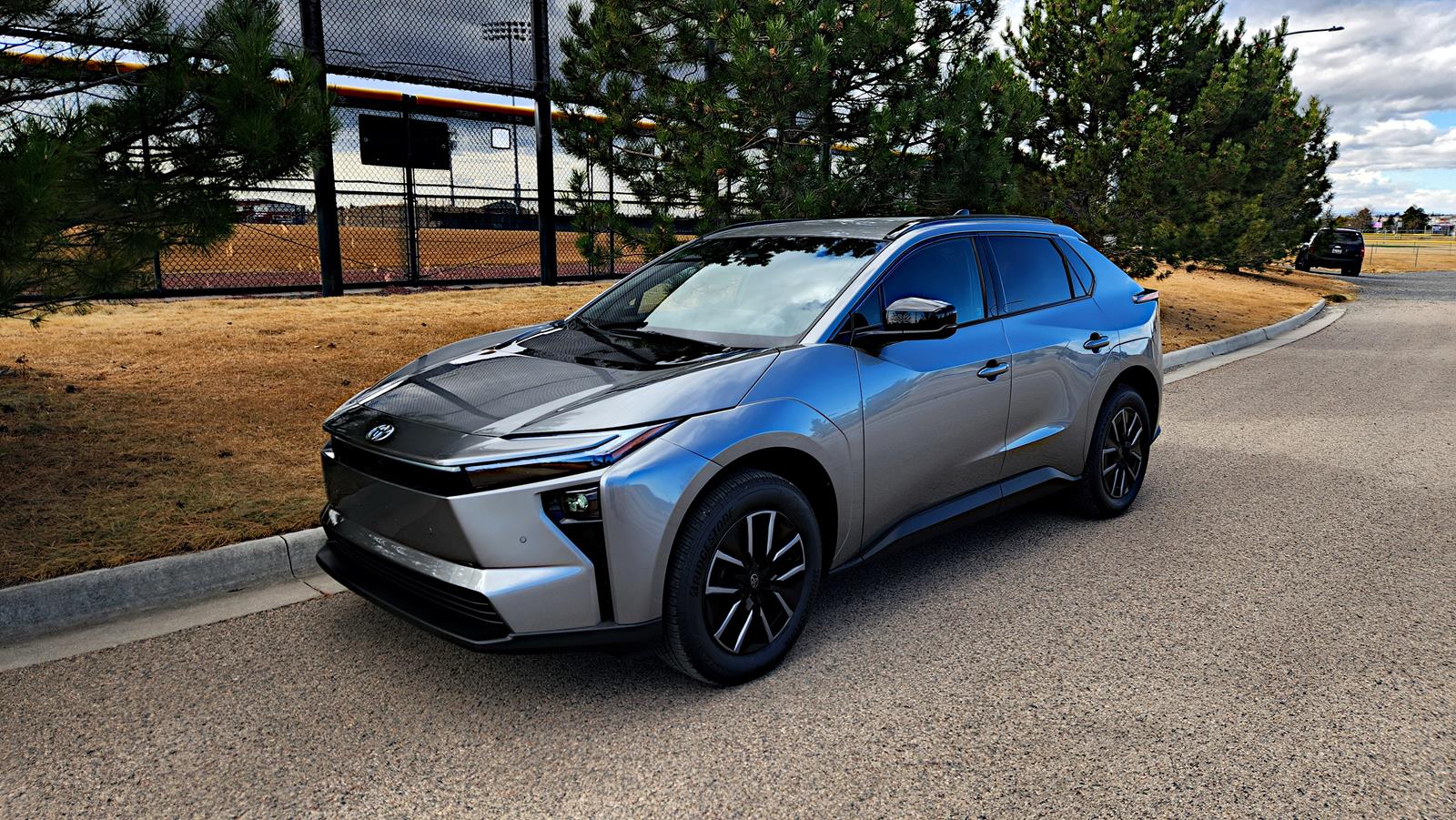
Let’s talk about the 2026 Toyota bZ. The EV formerly known as “that awkwardly named compliance appliance Toyota swore was totally competitive.” Or the buzzForkz, if you will.
Toyota finally did it. After the lukewarm-at-best bZ4X, the 2026 bZ arrives like a student who failed the first exam, disappeared for a semester, and came back with glasses and a suspiciously high GPA. The name change isn’t just a tweak; although it was definitely much needed. It comes as a course correction.
Range jumps to about 314 miles in front-drive trims and power climbs as high as ~338 horsepower in AWD models. And the bZ now uses a Tesla-style NACS charging port so you can actually find electrons in the wild.
In other words, Toyota has officially joined the rest of the EVs, albeit it’s more on par with the class of 2023 than it is 2026. But at least it’s happened.
Efficiency: nerdy, but impressive
Here’s where the 2026 bZ quietly flexes. It’s very efficient. Like, “hypermiling YouTuber crying tears of joy” efficient. One test saw around 5.4 mi/kWh, which is borderline witchcraft for a compact crossover. Most of us can expect more like 6 or so, which is about what I was getting most of the time.
These numbers translate into solid real-world usability. Not sexy. Not exciting. But extremely Toyota.
The updated motors give it more punch, and the bZ no longer feels like it’s powered by mild disappointment. It’s smoother and more composed, and finally competitive. Well, competitive-ish. Most of its rivals are still better options.
But let’s not kid ourselves, Toyota has made a competent commuter out of the battery electric bZ. Which is exactly what Toyota is good at.
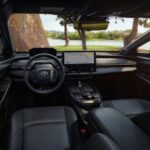
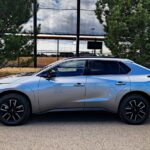
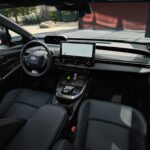
Interior: still weird, but with nicer fonts
Toyota threw a bigger 14-inch screen in there, cleaned up materials, and added more tech. Great. But they also kept that bizarre gauge cluster placement that requires you to either:
- Adjust the wheel like you’re setting up a flight yoke, or
- Accept that you’ll occasionally guess your speed like it’s 1997
It’s like Toyota hired three different design teams and told them not to talk to each other.
The hardware improvements are real: bigger screens, wireless charging, better driver assist. But the software still feels.. behind. It’s clunky, dated, and occasionally confusing.
Meanwhile, competitors are out here doing over-the-air updates, gaming, and making your car feel like a smartphone. Toyota’s like: “Here is a menu. It works. Probably.”
One big change is Toyota’s rethink on the price structure for the bZ. Starting around the mid-$30K range, the bZ undercuts a lot of competitors while delivering solid range and features. This is where it gets dangerous, though, because suddenly the “boring but reliable” option is also the “smart financial decision.”
And nothing kills automotive passion faster than making too much sense.
So here’s what I really think
The 2026 Toyota bZ is.. good.
Not “set your hair on fire” good. Not “industry redefining” good. But genuinely, finally, competently good. It fixes the biggest sins of its predecessor:
- Range? Fixed.
- Power? Fixed.
- Charging access? Fixed.
- Price? Actually compelling.
The bZ isn’t the EV you dream about. It’s the EV you end up buying after comparing spreadsheets, reading Reddit arguments, and admitting you just want something that works. And maybe the Prius is a little too small.


