
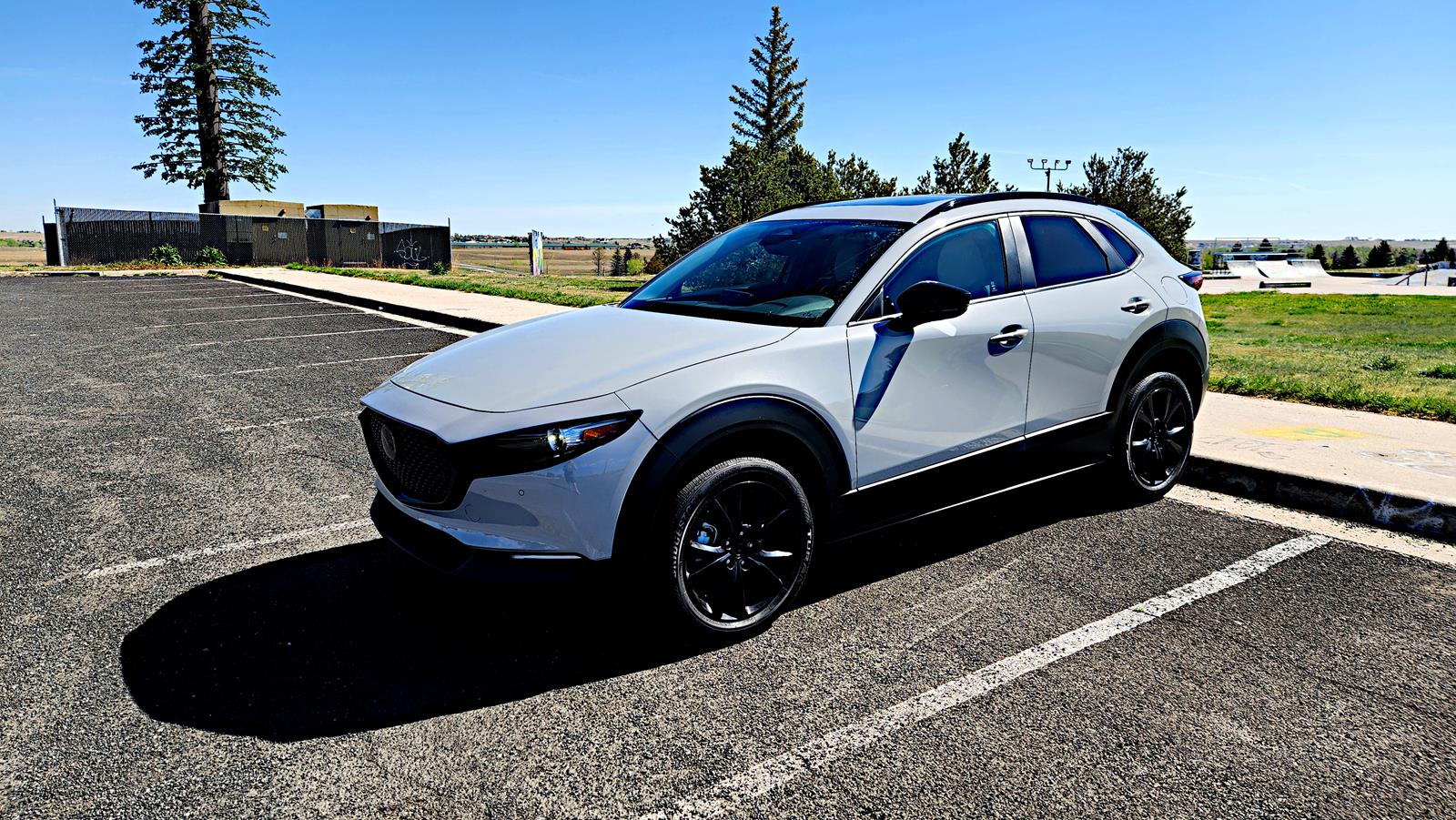
The compact crossover segment is the automotive equivalent of the cereal aisle: 900 choices, all claiming to be bold, adventurous, and somehow premium. Yet the 2026 Mazda CX-30 continues to stand apart by doing something radical in modern car design: remembering that driving should feel good.
Mazda’s smallest crossover isn’t the roomiest, cheapest, fastest, or most fuel-efficient thing in the class. What it is, however, is deeply pleasant to live with. And in a market increasingly obsessed with giant screens, touch-sensitive nonsense, and transmissions that sound like a leaf blower fighting a shop vacuum, the CX-30 feels refreshingly human.
For 2026, Mazda gives the CX-30 a light refresh. Updated dampers improve ride comfort, a brake-actuated limited-slip differential helps traction, and more trims now get the larger 10.25-inch touchscreen setup with wireless smartphone integration. The lineup also adds new Aire editions because apparently every automaker now names trims like they’re boutique apartment complexes.
Visually, the CX-30 remains one of the best-looking small crossovers on the market. Mazda’s design language still works because the company resisted the temptation to turn the front fascia into experimental origami. The proportions are clean, the curves are tasteful, and the long hood gives it a slightly upscale vibe. Park it next to some rivals and the CX-30 looks like the crossover that reads hardcover books and drinks espresso without announcing it on social media.
The downside, of course, is the cladding.



Mazda still insists on wrapping the lower half of the CX-30 in enough black plastic to construct a modest kayak. On darker paint colors it blends in reasonably well. On lighter colors, it looks like the crossover forgot to finish dressing before leaving the house.
It’s inside where Mazda continues embarrassing competitors.
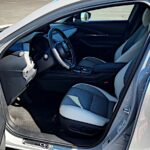
The cabin punches well above its price class with soft-touch materials, elegant design, and physical controls that don’t require an engineering degree to operate. The dash layout is clean and driver-focused, and the seats remain among the best in the segment for long-distance comfort. Even lower trims feel more expensive than they are. And thank every automotive deity available: Mazda still believes in buttons and knobs.
The infotainment system finally embraces more touchscreen functionality for 2026 models, particularly with Apple CarPlay and Android Auto, but Mazda hasn’t completely surrendered to the Cult of Finger Smudges. There’s still a rotary controller, and it still works brilliantly once you acclimate to it.
Under the hood, the standard naturally aspirated 2.5-liter four-cylinder makes 186 horsepower and 186 pound-feet of torque. It’s paired with Mazda’s six-speed automatic transmission, which remains one of the better conventional automatics in the class simply because it behaves like a transmission instead of a confused kitchen appliance.
Turbo models remain the enthusiast pick, delivering up to 250 horsepower on premium fuel, and they transform the CX-30 from “pleasant commuter” into “wait, this thing scoots.” But even the base engine works well enough thanks to Mazda’s excellent throttle calibration and transmission tuning.
The CX-30’s biggest strength remains its Zoom-Zoom road manners.
Mazda engineers continue acting like they secretly wanted to build sports sedans but got assigned crossovers instead. Steering feel is excellent for the segment, body motions are controlled, and the chassis feels composed even on rough pavement. The 2026 updates to the dampers noticeably improve ride quality without dulling the handling.
This is one of the few subcompact SUVs that doesn’t immediately dissolve into understeering mush the moment a corner appears. It feels balanced, eager, and surprisingly refined. Not sports-car sharp, mind you, but engaging enough that you stop viewing your commute as a prison sentence.
There are trade-offs.
Rear seat space is still tight. Adults can fit back there, but only if they’ve maintained healthy diplomatic relations with the people in the front seats. Cargo space also trails some competitors, particularly boxier rivals like the Honda HR-V. If your lifestyle involves transporting antique wardrobes or three Saint Bernards, you may want something larger.
Road noise also creeps in at highway speeds more than expected for a vehicle that otherwise feels borderline luxury-grade. Still, the CX-30 succeeds because it has personality.
That sounds cliché until you spend time in competitors that feel engineered entirely by focus groups and people who count beans. The Mazda feels intentional. The steering weight, the seat positioning, the visibility, the way the suspension settles mid-corner.. somebody actually cared.
And owners seem to notice. Online discussions consistently praise the CX-30’s premium feel, quiet cabin, AWD capability, and long-term livability. Several owners moving from economy sedans describe it as a substantial upgrade in refinement and comfort.
Fuel economy remains respectable rather than class-leading. Expect upper-20s combined in most real-world driving, depending on engine choice and how enthusiastically you pretend you’re driving a rally stage during grocery runs.
Pricing starts around the mid-$20,000 range and climbs toward $40,000 in loaded turbo trims. That upper-end pricing brushes against entry-level luxury territory, but the CX-30 justifies much of it through design and driving quality.
The real magic of the 2026 CX-30 is that it refuses to treat driving like a chore to be digitally optimized. It still feels mechanical in the best ways. The controls respond naturally. The chassis communicates. The interior doesn’t scream for attention every three seconds like a caffeinated toddler with an iPad.
In a segment filled with competent appliances, the CX-30 remains something increasingly rare: a small crossover you might actually look forward to driving. Which is impressive.


